This news post isn't available in your region.
ROTOCON powers Interflex’s next chapter
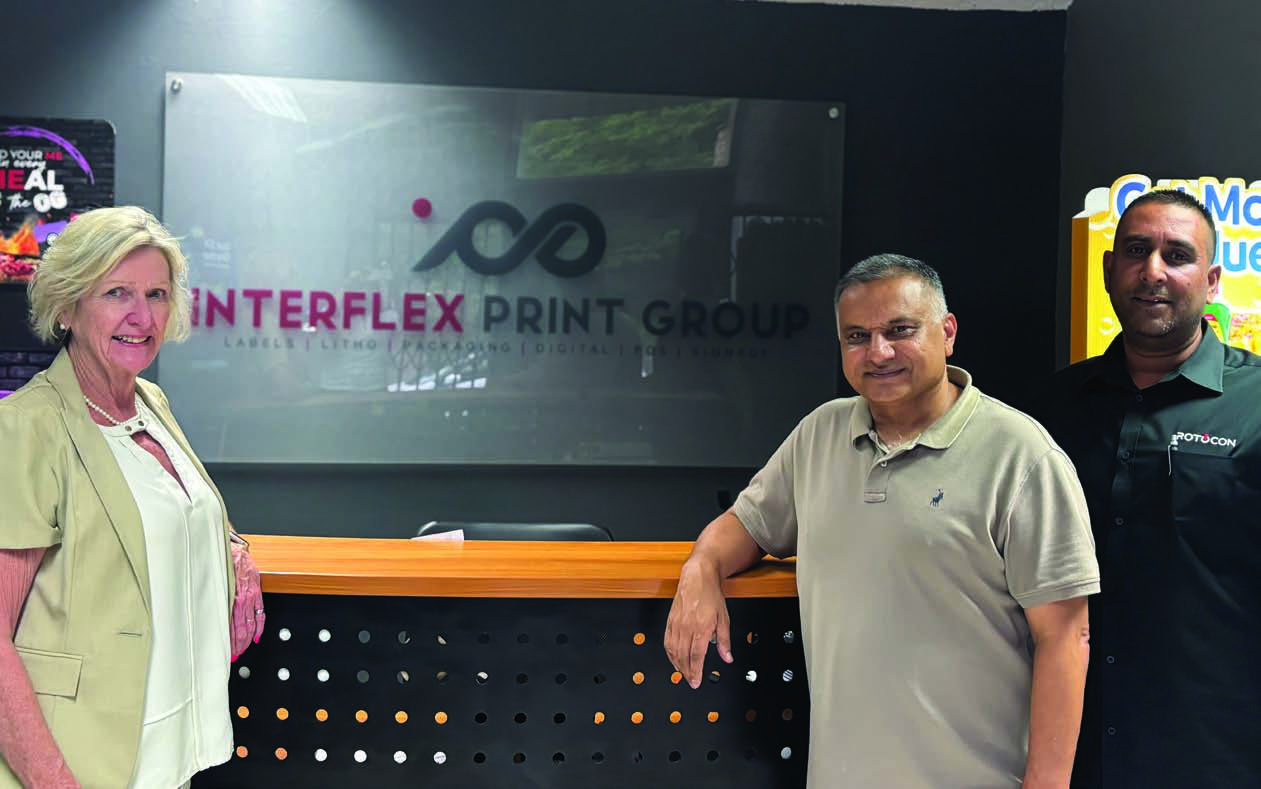
For more than 20 years, ROTOCON has been part of Interflex Group's growth, evolving from its first rewinders in the mid-2000s to its newest RFP 450 flexo press.
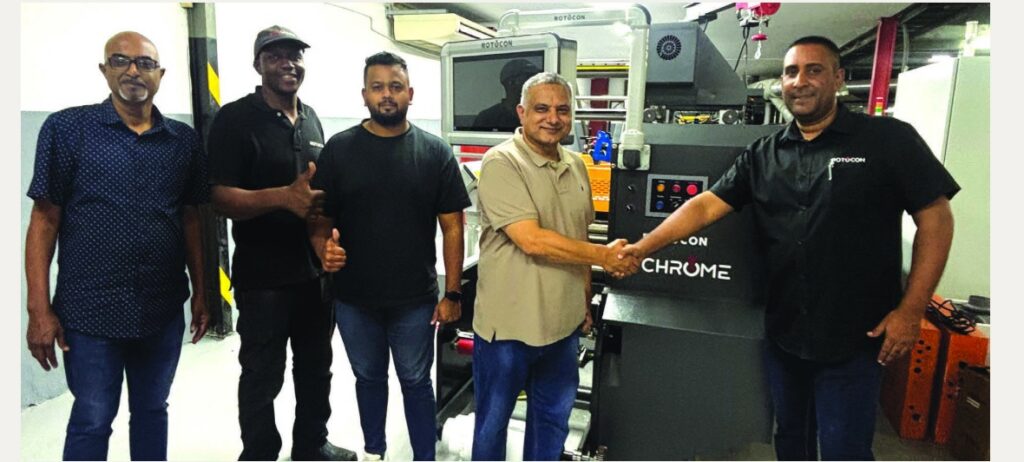
For more than 20 years, ROTOCON has been part of Interflex Group’s growth. From its first rewinders in the mid-2000s to ROTOCON’s newest press, the partnership has evolved alongside the business. Today, the relationship supports Interflex’s expansion into higher-value applications and increased flexo capability, backed by local support.
WHEN Interflex CEO Eric Singh talks about ROTOCON, he doesn’t start with the newest machine on the factory floor. He goes back to 2006, when he first encountered Rotoflex rewinders. ‘All my rewinders came from that lineage,’ he says. ‘We built from there.’
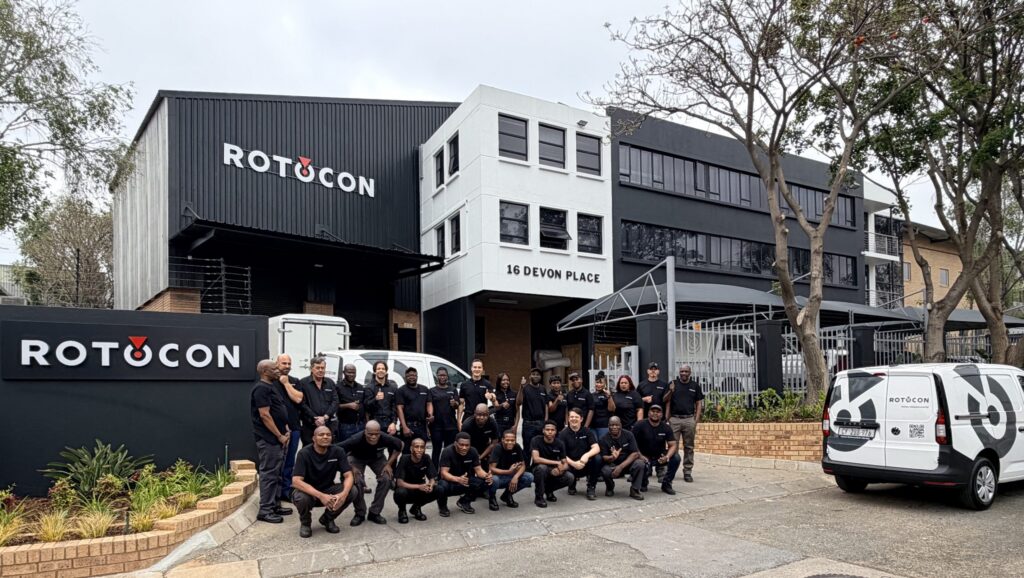
ROTOCON Durban general manager Akhmuth Sayed was part of that journey from early on, initially on the engineering side before moving into customer-facing roles, building a relationship that matured alongside Interflex’s own growth.
For much of its history, Interflex wasn’t press-heavy. Eric operated with two presses for years while building depth in tooling. Some of those early tools, including solid plates used on high-volume sticker work, are still in service nearly two decades later.
‘We were doing serious volumes,’ he recalls, citing runs in the millions of square metres on legacy configurations. ‘That’s where we cut our teeth, throughput, durability and consistency.’
That operating model came with limits. With constrained press capacity, Eric was selective about the work he took on. ‘I wasn’t going to be reckless. If a job compromised the schedule or quality, we’d pass.’
The latest ROTOCON installation addresses those constraints. This year marks Interflex’s 20th anniversary. The company continues to refine its tooling base, strengthening customer relationships and prioritising output over exposure after years of maintaining a relatively low profile.
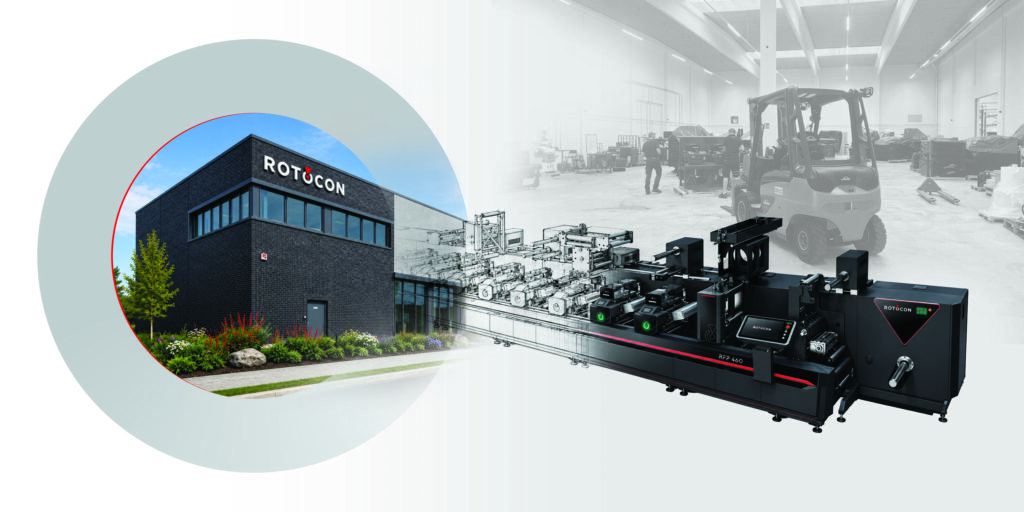
The new ROTOCON RFP 450 10-colour flexo press, now on the floor and in final commissioning, increases both capability and intent. Designed to handle a wide range of substrates, the machine allows Interflex to produce labels, shrink sleeves, unsupported films and board up to 400gsm. It also consolidates processes that previously required multiple passes or external steps. ‘On the RFP 450, configured the way we’ve specified it, we can print, laminate, foil, varnish and die cut in a single pass,’ Eric says.
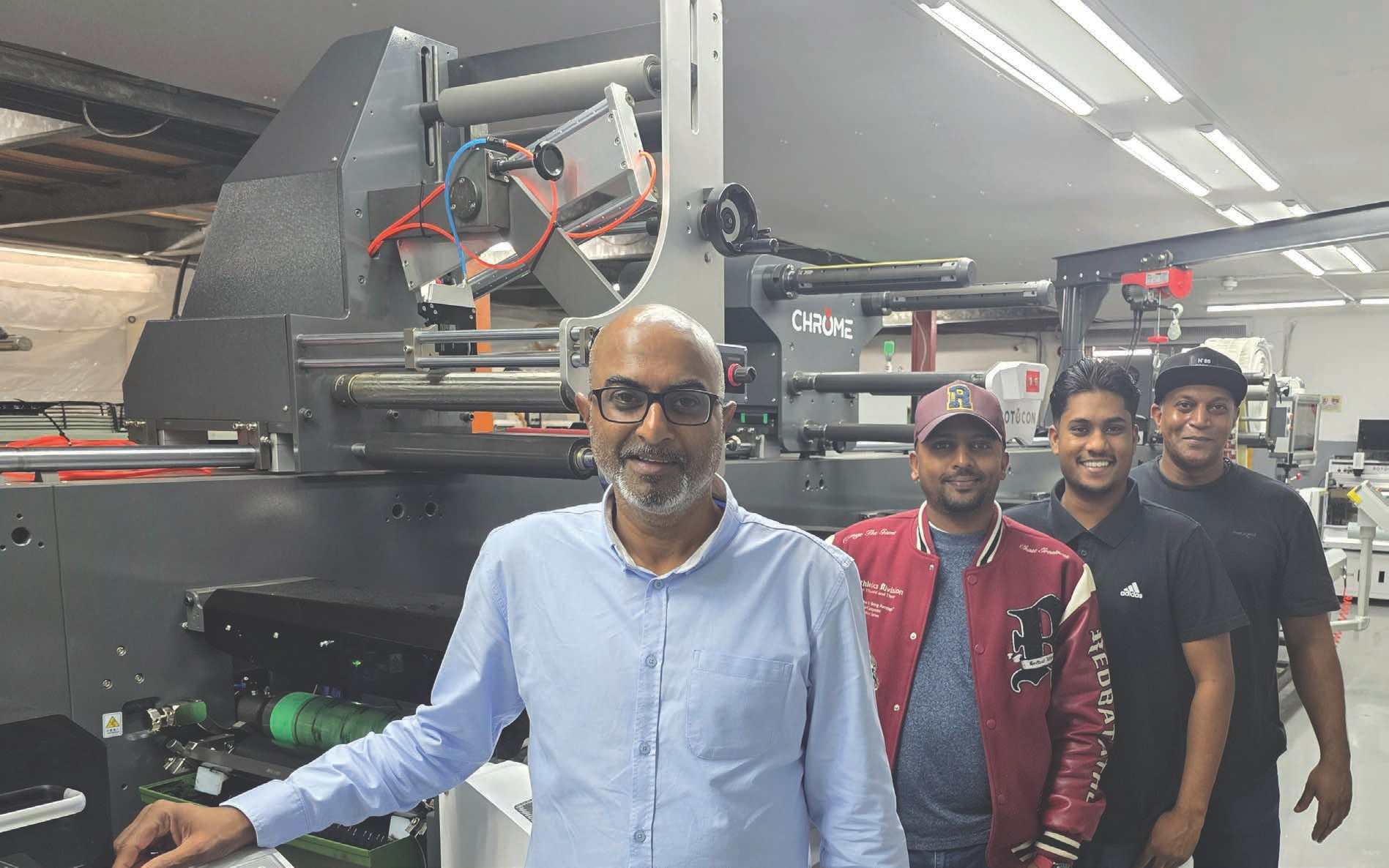
Speed is one factor, but not the only consideration. With running speeds of 150-200m/min on film, the press aligns with Interflex’s long-run work. ‘Our model is volume. Hundreds of thousands into the millions. That’s where flexo makes sense,’ Eric says.
The digital-versus-flexo debate, he adds, is largely about thresholds. Below a certain run length, digital is often the better option. Above it, flexo becomes more cost-effective. ‘Digital has its place. But it’s expensive. You can buy close to two flexo presses for one digital line.’
Fit for purpose
ROTOCON’s involvement extends beyond the press. Akhmuth points to localisation initiatives, particularly in tooling and die manufacture. With global supply chains still unpredictable, local sourcing and support have become competitive factors. ‘If something breaks or a customer needs a fast turnaround, you can’t wait on overseas supply,’ he says. ‘We’re building capacity here, so converters can keep running.’
That includes investment in additional die making capability to increase output and shorten lead times. Where a single line might produce around a dozen dies a day, additional capacity becomes important as installed press bases grow. ‘The market is moving. Customers expect speed as well as consistency. Local support closes that gap,’ Akhmuth notes.
Eric says the new press is unlocking segments that were previously out of reach, particularly shrink sleeve and roll-to-roll work, where many customers prefer simplified formats without complex finishing.
‘A lot of jobs now go out as printed rolls,’ he says. ‘No die cutting, no extra handling. Just print, pack and ship.’
The new line is configured to support that approach, including inline sheeting and die cutting options when required.
The investment is also strategic. Eric is looking upstream, towards greater involvement in the value chain. The company’s two-year plan includes developing an in-house studio capability for both design execution and intellectual property ownership. ‘We don’t want to be the last step in the chain. We want to be involved from concept from brand pitch. That’s where the margin and control sit,’ he says.
Recent developments suggest the strategy is delivering results. Interflex has secured work in the beverage packaging space and installed additional laser capability to support label production. Eric says the company has moved from a loss-making position to profitability within a year. ‘There’s a lot happening. We’ve been flying under the radar. Maybe a bit too much.’
The ROTOCON partnership, built on years of incremental trust, now supports a more assertive strategy focused on strengthening systems, capability and market focus. ‘We’ve always had the volume,’ Eric says. ‘Now we have the platform to match it.’
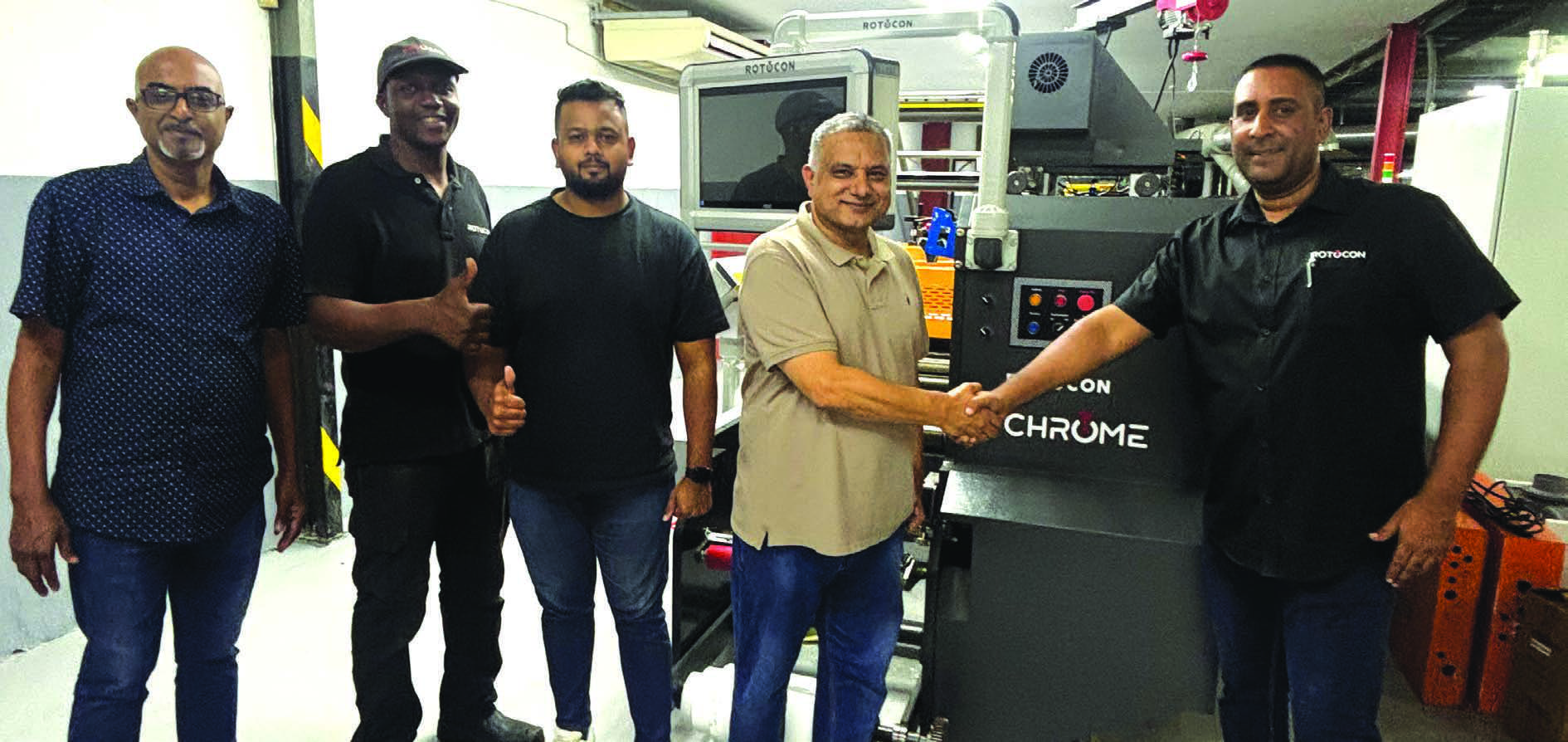
Featured in Packaging & Print Media (PPM)